Local rental overview
Orlando's market is active and growing, and in our experience the steady inflow of new residents and workers keeps demand fairly strong in many neighborhoods, particularly closer to major employment centers. That competition can raise the bar, while quieter areas may feel more attainable.
You will find both large professionally managed complexes and smaller owner-run rentals across Orange County and the surrounding metro. Because rents and competitiveness vary by submarket, widening your search a bit can surface options that feel more within reach.
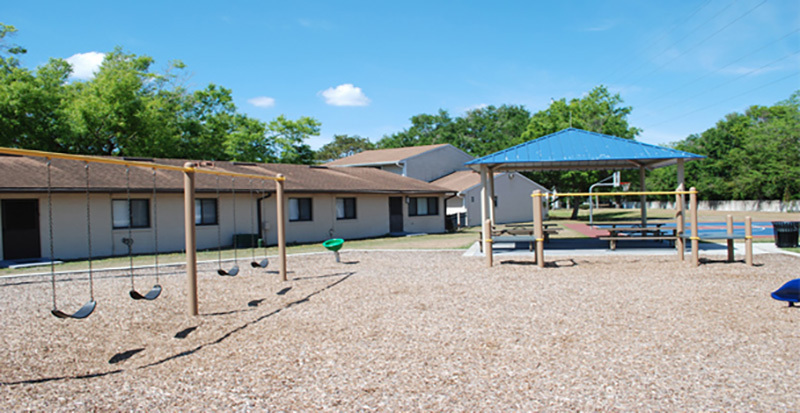
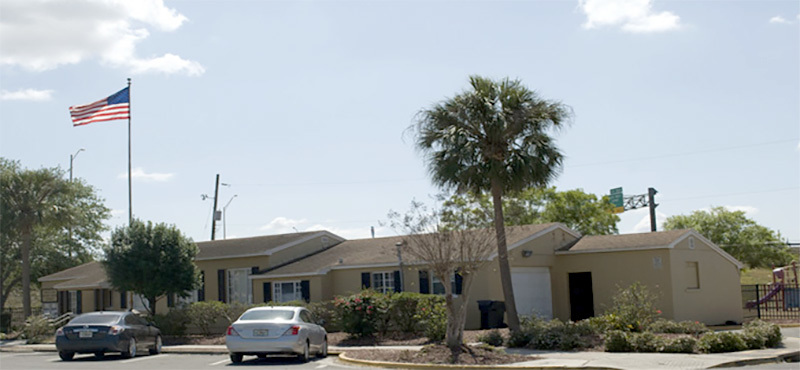
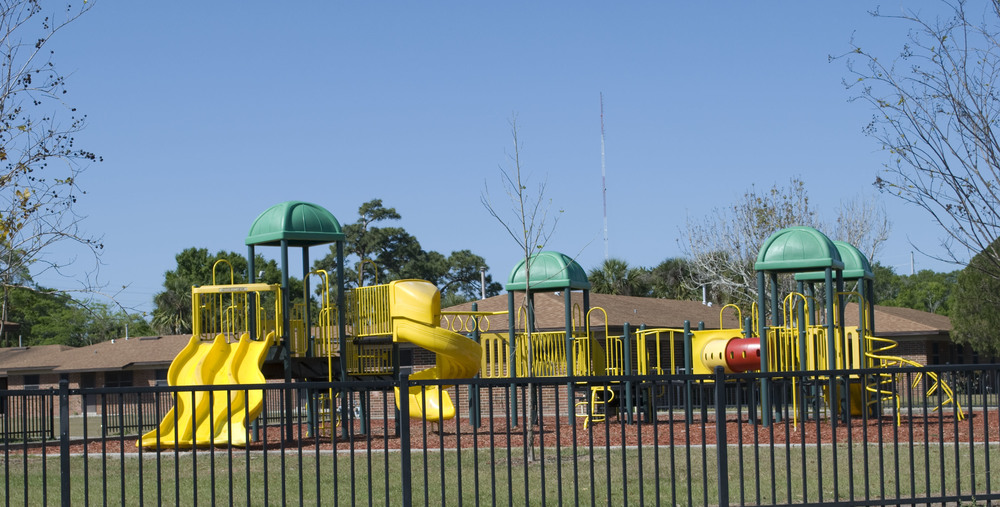
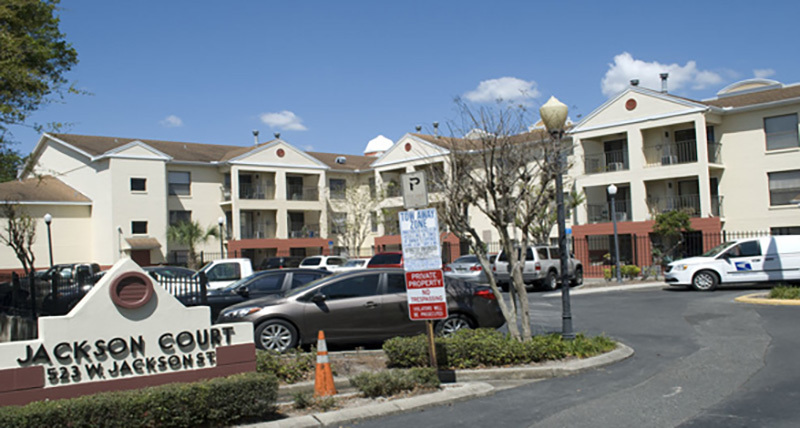
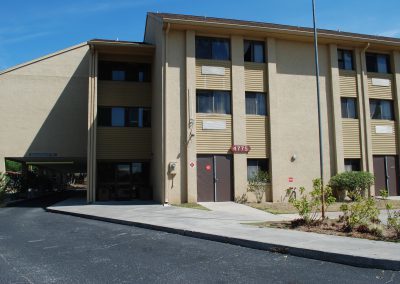
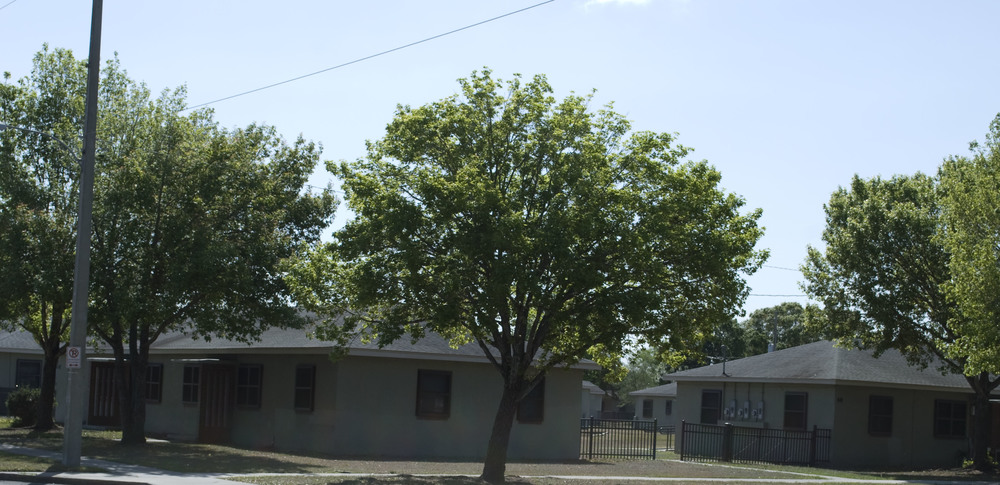
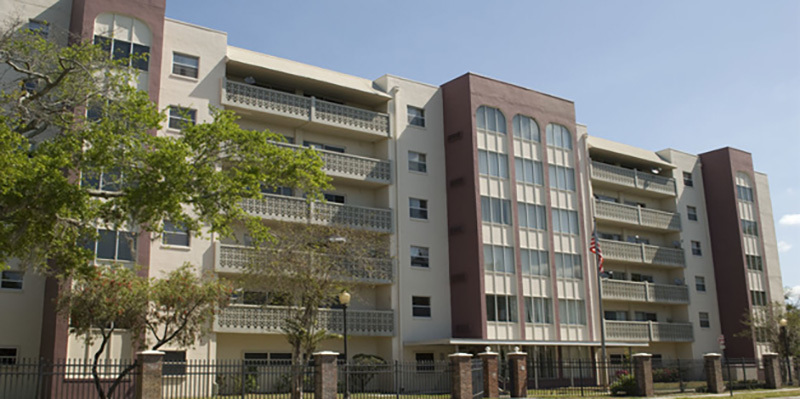
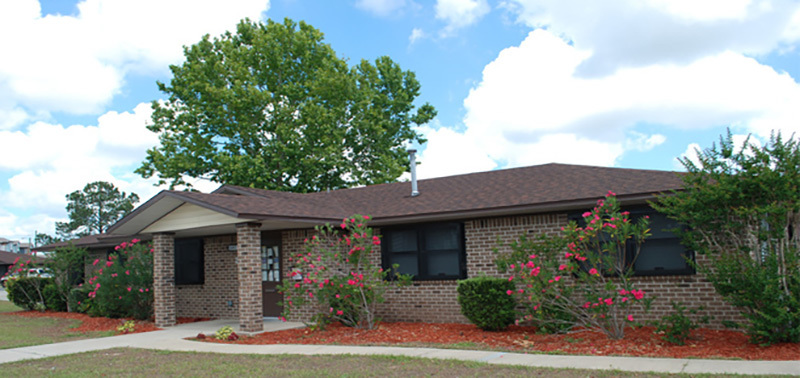
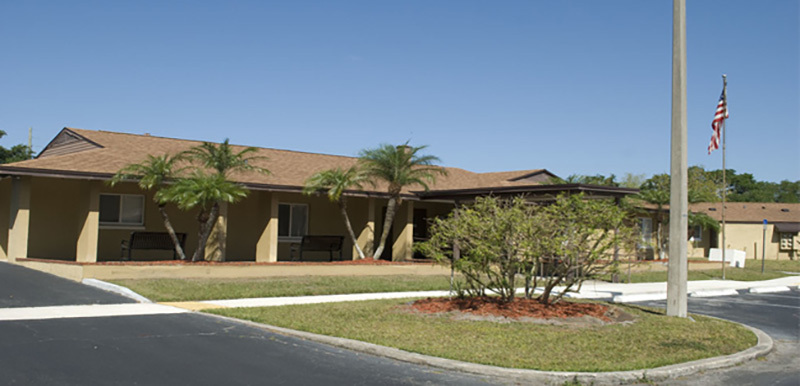
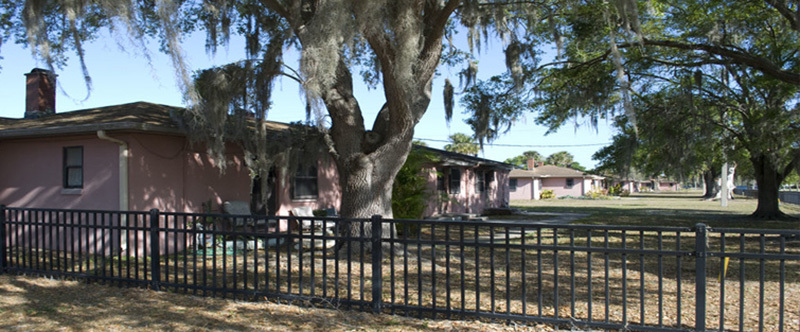
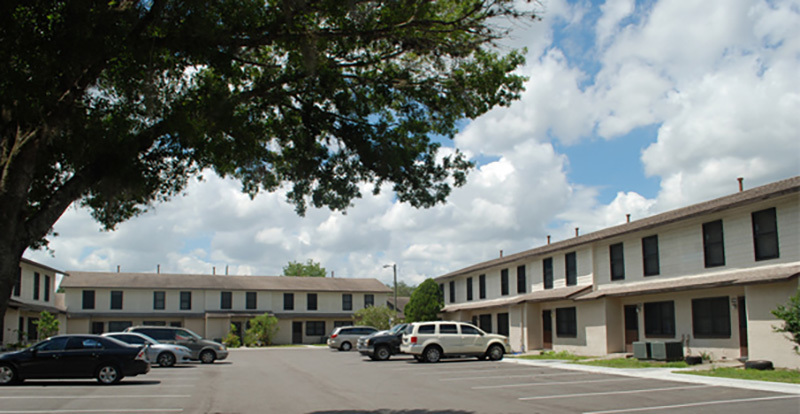
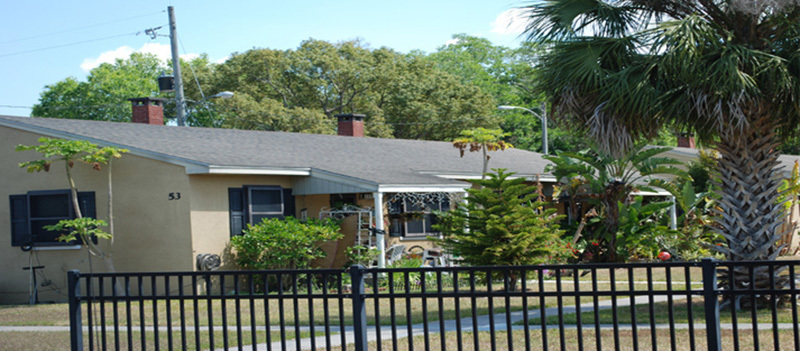
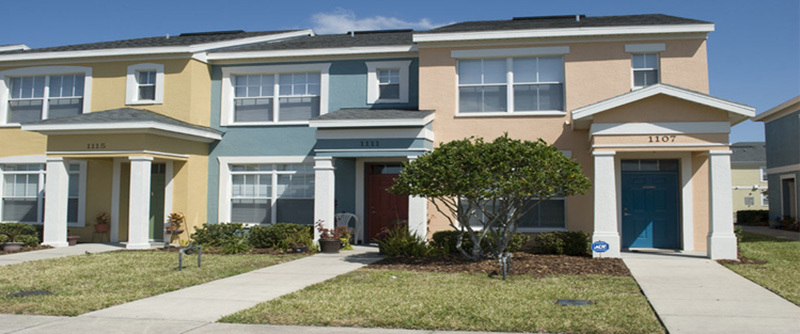
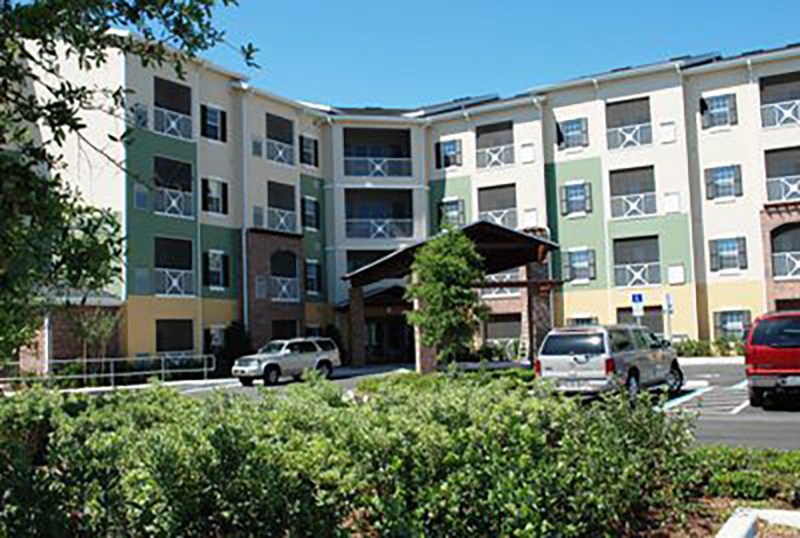
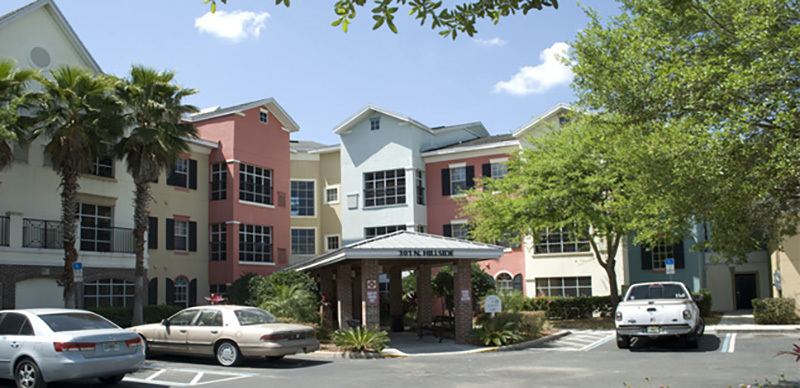
The Orlando Housing Authority's official property directory identifies the communities listed on this page, including family, elderly, and elderly/disabled properties. One directory entry, Marden Meadows Apartments, is addressed in Apopka rather than Orlando; confirm the exact location, program eligibility, and current availability directly with the authority before applying.
Criminal screening overview
Most larger Orlando apartment communities screen for credit, rental history, income, and criminal background, and national operators generally follow written conviction policies that differ by company. There is no single standard across the metro.
HUD's federal guidance discourages blanket bans on applicants with any record and encourages considering the nature and age of an offense, which influences how some larger operators write their policies. This does not require any landlord to approve you, and approval is never guaranteed. Ask each property about its criteria before paying a fee. As of mid-2026, we are not aware of a local tenant screening ordinance limiting criminal background lookback periods in Orange County or the City of Orlando; the federal HUD fair housing framework is the primary guidance. Consult Community Legal Services of Mid-Florida (clsmf.org) or a local attorney if your situation is complex.
Application tips
- Ask for each property's screening criteria before applying, since Orlando operators use varying rules.
- Be honest on every application; omissions that later surface can cost you the unit and your fee.
- Prepare a brief, honest explanation of your history focused on stability, work, and completed programs.
- Keep income documents ready to respond quickly in competitive, high-demand areas.
- Gather references from employers, caseworkers, or former landlords who can vouch for you.
- Consider a larger deposit or qualified co-signer if your budget allows.
- Include smaller owner-run rentals across the metro in your search, not just large complexes.
- Apply early and follow up courteously, since desirable units can lease quickly.
Neighborhoods and nearby areas
Renters across the Orlando area often consider a range of well-known areas depending on budget and commute. Neighborhoods near Downtown and College Park tend to be more central, while communities like Winter Park, Kissimmee, and Altamonte Springs are commonly weighed by those seeking different settings and price points. Outer parts of the metro sometimes offer lower rents with longer commutes. These are simply areas renters frequently look at; we make no claim about which landlords in any of them consider applicants with records, and policies vary by property.
Local reentry resources
- Dial 211 (United Way 211) for referrals to reentry and housing navigation services in the Orlando area. 211 is available throughout Florida; call or visit 211.org to search by ZIP code.
- Goodwill Industries of Central Florida operates job connection centers across the Orlando metro, providing career services and employment support that can strengthen housing applications. Visit goodwillcfl.org to find the location nearest you.
- The Coalition for the Homeless of Central Florida (centralfloridahomeless.org) has served the area since 1987 and can connect you with transitional housing and supportive services.
- Orange County coordinates the Central Florida Continuum of Care (ceo.oc.gov/care-coordination/homeless-services), which links partner agencies providing rapid rehousing referrals and other homelessness assistance across the region.
Local housing resources
- The Orlando Housing Authority (orlandohousing.org) administers the Housing Choice Voucher program and public housing options for the City of Orlando. Its official property directory identifies the communities shown on this page. Contact the authority directly about current waitlist status, eligibility, screening, and availability, as openings and rules change.
- The directory includes family, elderly, and elderly/disabled properties, and one listed address is in Apopka. Confirm the exact property location and program requirements directly before applying.
- HUD provides general renter rights information and national rental assistance directories at hud.gov. Use their resource locator to find programs currently serving the Orlando area.
- Community Legal Services of Mid-Florida (clsmf.org, 122 E. Colonial Drive, Suite 200, Orlando, FL 32801) provides free civil legal help, including tenant rights and housing discrimination, to eligible residents of Orange County and surrounding areas. Apply online or contact them through their website.
- United Way 211 can refer you to local rental assistance funds and emergency housing resources. Call 211 or visit 211.org.
Transportation
Orlando is served by LYNX, the regional bus system, along with some connecting services across parts of the metro, though the area is largely car-oriented and coverage is uneven. If you rely on transit, prioritizing housing near frequent LYNX routes can help keep commutes manageable, especially if your job is tied to a central employment area. Current LYNX routes, schedules, and trip planning tools are available at golynx.com.
Employer and income resources
Because steady income strengthens a rental application, connecting with second-chance employment resources can help. Goodwill Industries of Central Florida (goodwillcfl.org) offers career services and job connection centers across the metro. Orlando's service-driven economy can offer entry points, and consistent earnings often matter more to landlords than the exact amount. Dial 211 to ask about current workforce and reentry job programs in your area, and confirm services and availability directly with each provider.